It's easy to overlook, but a clogged cabin filter affects air quality, comfort, and even driver focus.
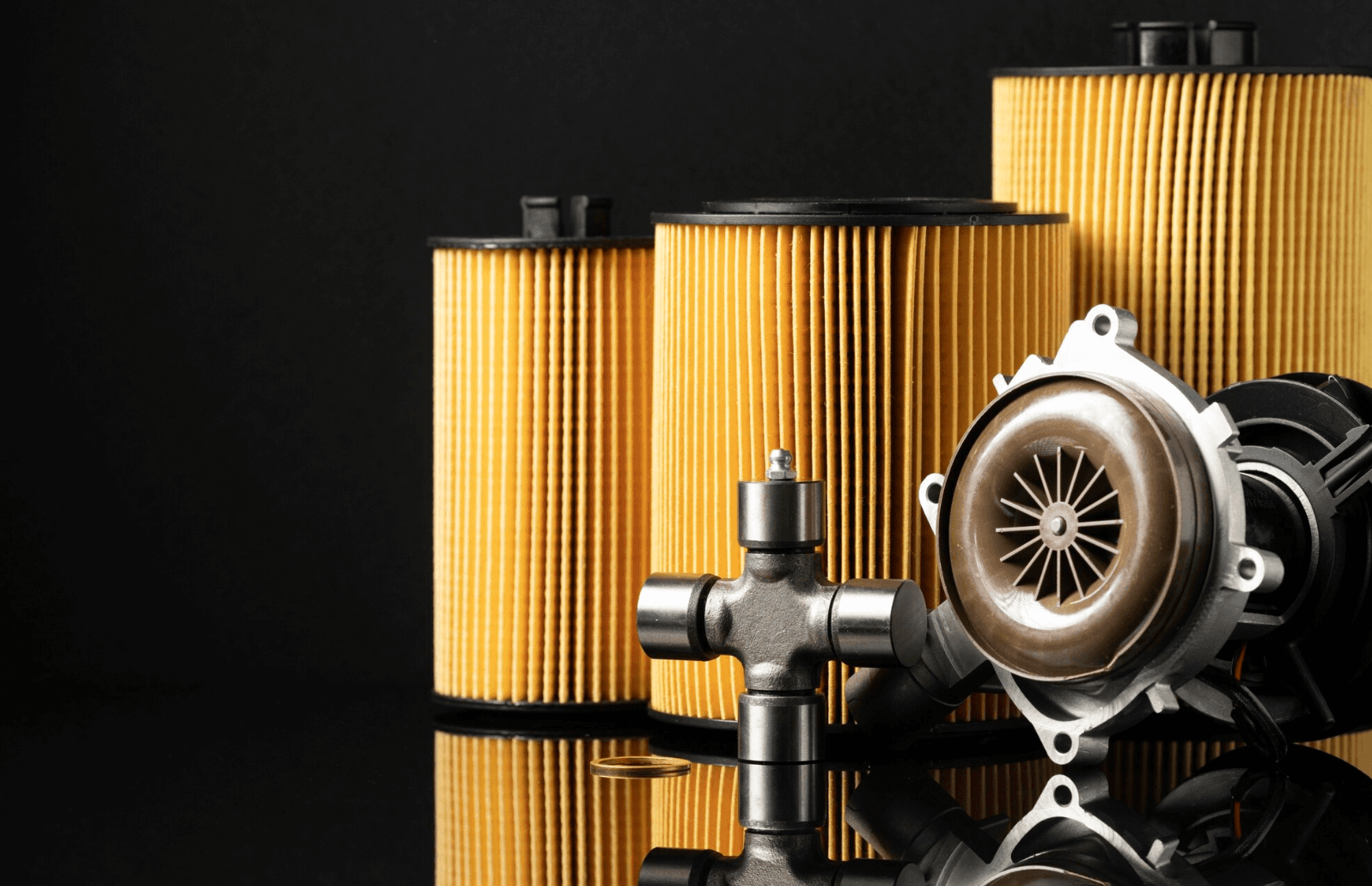
Unlike the engine air filter, the cabin filter cleans the air entering the passenger compartment through your HVAC system, trapping dust, pollen, and exhaust particulates before they reach you. It's a small component, but one that directly affects what you're breathing on every drive.
Because it sits out of sight — usually behind the glovebox — it's one of the easiest maintenance items to forget entirely.
A clogged filter typically shows up as reduced airflow from the vents, persistent musty odors, or the AC needing longer to cool the cabin than it used to. None of these are dramatic symptoms, which is part of why they often go unnoticed for months.
If allergy-like symptoms seem worse inside the car than outside it, a saturated cabin filter is one of the more likely explanations.
Most manufacturers recommend inspecting the cabin filter every 15,000-20,000 km, though dusty or high-traffic environments can shorten that interval considerably. It's a low-cost part, and replacing it proactively is far cheaper than the discomfort of ignoring it.
Pairing the check with a routine oil change is an easy way to make sure it doesn't get skipped.